
Sarcosine Oxidase: A Key Enzyme in Biochemical Research and Diagnostics
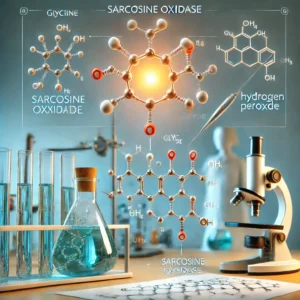
Sarcosine oxidase (SOX) is an important enzyme involved in the oxidative demethylation of sarcosine (N-methylglycine) into glycine, hydrogen peroxide, and formaldehyde. Widely distributed in microorganisms, SOX has gained substantial attention in clinical diagnostics, cancer research, and industrial biotechnology.
Enzyme Mechanism and Structure
Sarcosine oxidase is a flavoprotein enzyme that utilizes flavin adenine dinucleotide (FAD) as a cofactor. It catalyzes the reaction via an oxidative mechanism, breaking the N-methyl group of sarcosine. This reaction pathway is crucial for studying methyl group metabolism and single-carbon units in various organisms. Structural and mechanistic studies can be explored further through resources like the Protein Data Bank (PDB) and enzymatic databases provided by NIH.
Applications in Biotechnology
1. Clinical Diagnostics
Sarcosine is a key biomarker in prostate cancer progression. Research from NIH has demonstrated that sarcosine levels in urine are elevated during cancer metastasis, making sarcosine oxidase an essential enzyme in diagnostic assays. Its role in enzymatic kits used for quantitative analysis has significantly advanced the early detection of prostate cancer.
- Read more about sarcosine as a biomarker on Cancer.gov.
- Clinical assays leveraging sarcosine oxidase for non-invasive diagnostics are detailed on ClinicalTrials.gov.
2. Cancer Metabolism Research
Sarcosine metabolism is intricately linked to the one-carbon metabolic pathway, which is vital for nucleotide synthesis and methylation processes in cancer cells. Studies at academic institutions such as Harvard.edu have highlighted how modulating sarcosine oxidase activity could disrupt cancer cell proliferation.
3. Microbial Metabolism
Microbial species such as Pseudomonas aeruginosa and Corynebacterium glutamicum employ sarcosine oxidase for nitrogen metabolism. This process is essential for the decomposition of organic nitrogen compounds in the environment. Detailed studies on microbial pathways are available at USDA.gov and EPA.gov.

Role in Industrial Applications
Sarcosine oxidase has proven to be valuable in biosensor development for detecting sarcosine in various samples, including clinical fluids and industrial effluents. Research on biosensor optimization is documented in repositories such as NSF.gov and NIH.gov.
Food Safety and Environmental Monitoring
Sarcosine oxidase-based biosensors are also utilized in food quality control and environmental monitoring. These biosensors can detect nitrogen-based contaminants in food products and wastewater. For further insights, visit FDA.gov and CDC.gov.
Genetic and Molecular Studies
Advancements in genetic engineering have enabled the production of recombinant sarcosine oxidase in Escherichia coli, enhancing its yield and stability. This breakthrough supports large-scale applications in research and industry. Resources on recombinant enzyme production can be found on Genetics.gov and DOE.gov.